
Contents
- 🌱 Origins & History of Wellness Practices
- 🧘♀️ How Wellness Practices Work
- 📊 Key Facts & Numbers About Wellness
- 👥 Key People & Organizations in Wellness
- 🌎 Cultural Impact & Influence of Wellness Practices
- ⚡ Current State & Latest Developments in Wellness
- 🤔 Controversies & Debates in the Wellness Community
- 🔮 Future Outlook & Predictions for Wellness Practices
- 💡 Practical Applications of Wellness Practices
- 📚 Related Topics & Deeper Reading on Wellness
- Frequently Asked Questions
- Related Topics
Overview
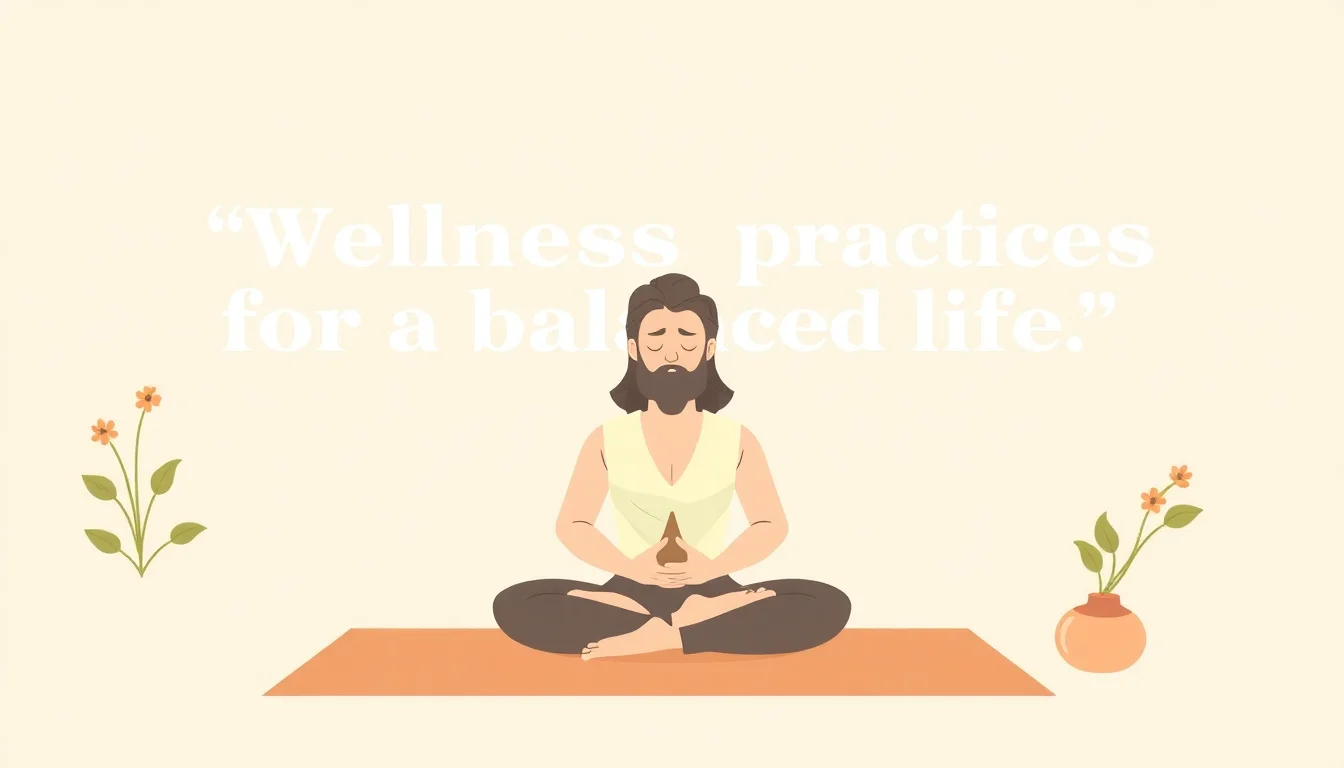
Wellness practices for a balanced life, as explored in The Friendly Guru, encompass a wide range of holistic approaches to achieving overall well-being. This includes mindfulness techniques, such as meditation and deep breathing, to reduce stress and increase self-awareness. Physical wellness practices, like yoga and tai chi, combine movement with mental focus to enhance balance and harmony. Emotional wellness is nurtured through practices like journaling and gratitude exercises, helping individuals process their feelings and cultivate a positive outlook. By incorporating these wellness practices into daily life, individuals can experience a profound impact on their mental, physical, and emotional health, leading to a more balanced and fulfilling life. With a focus on accessibility and community, The Friendly Guru provides a supportive environment for individuals to explore and adopt these wellness practices, promoting a culture of self-care and personal growth.
🌱 Origins & History of Wellness Practices
Wellness practices for a balanced life have a rich history, dating back to ancient civilizations that recognized the importance of holistic well-being. The National Center for Complementary and Integrative Health provides resources and support for individuals looking to incorporate wellness practices into their daily lives.
🧘♀️ How Wellness Practices Work
Wellness practices work by addressing the interconnected aspects of an individual's life, including physical, emotional, mental, and spiritual well-being. Techniques such as mindfulness meditation, yoga, and tai chi combine physical movement with mental focus to enhance balance and harmony. Emotional wellness is nurtured through practices like journaling and gratitude exercises, helping individuals process their feelings and cultivate a positive outlook.
📊 Key Facts & Numbers About Wellness
The Mindfulness in Education movement aims to bring mindfulness and meditation into schools to improve student well-being and academic performance. The Calm app offers a variety of mindfulness and meditation programs, including guided meditations and sleep stories.
👥 Key People & Organizations in Wellness
The Future of Wellness conference brings together experts and thought leaders to discuss the latest trends and developments in the wellness industry.
🌎 Cultural Impact & Influence of Wellness Practices
Practical applications of wellness practices can be seen in a wide range of settings, from schools and workplaces to community centers and healthcare facilities. Individuals can incorporate wellness practices into their daily lives through simple techniques such as deep breathing, gratitude exercises, and mindfulness meditation.
⚡ Current State & Latest Developments in Wellness
Related topics and deeper reading on wellness practices can be found in a variety of sources, including books, articles, and online courses. Individuals looking to deepen their understanding of wellness practices and their applications can explore topics such as mindfulness, yoga, and tai chi.
🤔 Controversies & Debates in the Wellness Community
The cultural impact and influence of wellness practices are profound, with a growing recognition of the importance of holistic well-being in modern society. Wellness practices have been incorporated into schools, workplaces, and community centers, providing individuals with the tools and support they need to achieve balance and harmony in their lives.
🔮 Future Outlook & Predictions for Wellness Practices
Despite the many benefits of wellness practices, there are also controversies and debates within the wellness community. Some critics argue that the commercialization of wellness has led to a lack of authenticity and a focus on profit over people, while others debate the effectiveness of certain wellness practices and the need for more rigorous scientific research.
💡 Practical Applications of Wellness Practices
Looking to the future, wellness practices are likely to continue to play an increasingly important role in promoting holistic well-being and reducing stress and anxiety. As the world becomes more complex and fast-paced, individuals will be seeking out effective tools and techniques for achieving balance and harmony in their lives.
Section 11
Wellness practices for a balanced life encompass a wide range of holistic approaches to achieving overall well-being.
Key Facts
- Year
- 2020
- Origin
- Global
- Category
- wellness
- Type
- concept
Frequently Asked Questions
What are some common wellness practices for a balanced life?
Common wellness practices include mindfulness meditation, yoga, tai chi, journaling, and gratitude exercises. These practices can help reduce stress and anxiety, improve sleep quality, and increase feelings of compassion and empathy.
How can I incorporate wellness practices into my daily life?
Incorporating wellness practices into daily life can be simple and effective. Start with small, manageable steps, such as taking a few minutes each day to practice deep breathing or gratitude exercises.