
Summary
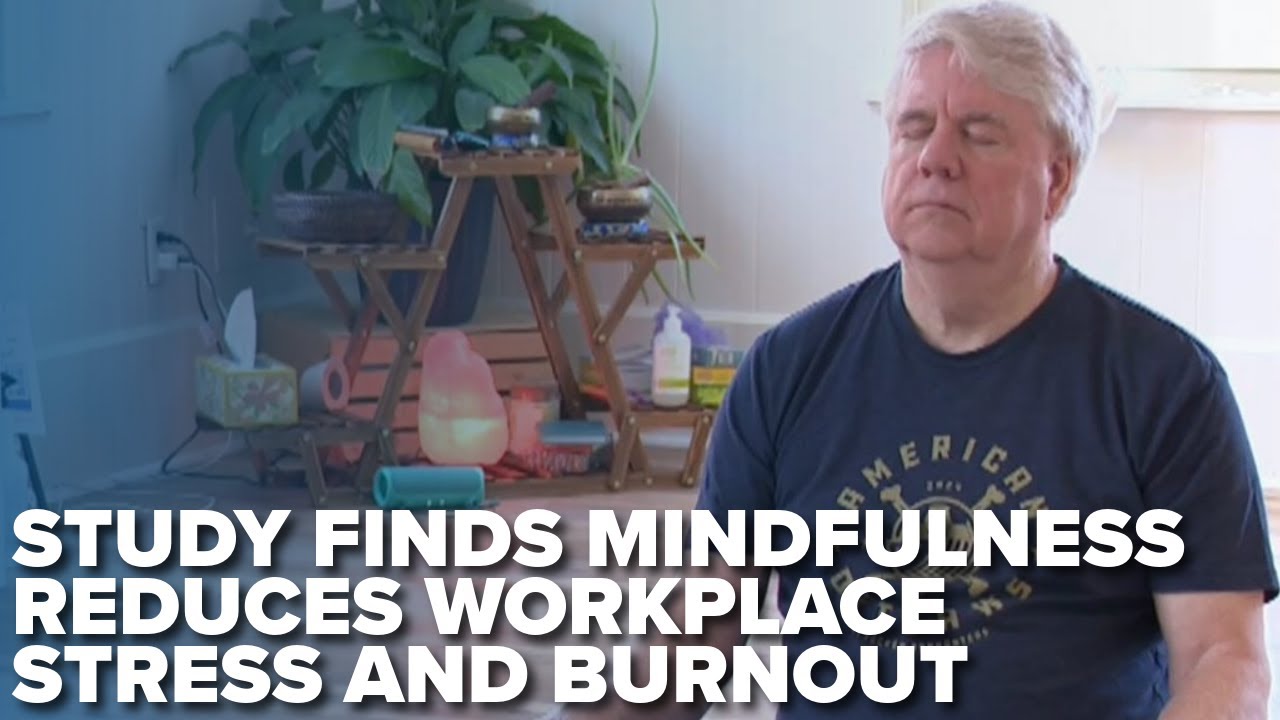
The **Mindfulness-Based Stress Reduction program**, created by **Jon Kabat-Zinn** in 1979, has been widely adopted in various settings, including schools, prisons, and sports teams. The **U.S. Army** has also adopted mindfulness meditation to improve military resilience. With its secular approach, mindfulness meditation has become a popular choice for individuals seeking to reduce stress and improve their mental well-being. [[jon-kabat-zinn|Jon Kabat-Zinn]]'s program has been instrumental in popularizing mindfulness meditation. The **Harvard Gazette** article highlights the importance of mindfulness meditation in today's fast-paced world, where stress and anxiety have become increasingly prevalent. [[stress-reduction|Stress reduction]] techniques like mindfulness meditation are essential for maintaining a healthy work-life balance.
Key Takeaways
- Mindfulness meditation can reduce stress and anxiety
- Over 750 students have participated in mindfulness and meditation programs at Harvard University since 2012
- The Mindfulness-Based Stress Reduction program was created by Jon Kabat-Zinn in 1979
- Mindfulness meditation can improve attention and memory
- Mindfulness meditation can promote self-regulation and empathy
Balanced Perspective
While **mindfulness meditation** has been shown to have numerous benefits, it is essential to approach this practice with a critical and nuanced perspective. Some individuals may find it challenging to adopt a mindfulness meditation practice, and it may not be suitable for everyone. Additionally, the scientific research on mindfulness meditation is still evolving, and more studies are needed to fully understand its effects. However, the existing research suggests that mindfulness meditation can be a valuable tool for reducing stress and improving mental clarity. [[scientific-research|Scientific research]] on mindfulness meditation is ongoing, and **Harvard University** is at the forefront of this research.
Optimistic View
The benefits of **mindfulness meditation** are numerous, and its popularity is well-deserved. By reducing stress and anxiety, improving attention and memory, and promoting self-regulation and empathy, mindfulness meditation can have a significant impact on an individual's overall well-being. With its secular approach, mindfulness meditation is accessible to everyone, regardless of their background or beliefs. As **Suzanne Westbrook** notes, mindfulness meditation teaches individuals to focus on the present, which can lead to a greater sense of calm and clarity. [[mindfulness-meditation|Mindfulness meditation]] has the potential to revolutionize the way we approach mental health. [[mental-health|Mental health]] professionals are increasingly recognizing the benefits of mindfulness meditation.
Critical View
Despite its popularity, **mindfulness meditation** may not be the panacea that some individuals claim it to be. Some critics argue that mindfulness meditation can be overly focused on individualistic solutions to stress and anxiety, rather than addressing the root causes of these issues. Additionally, the commercialization of mindfulness meditation has led to a proliferation of programs and products that may not be evidence-based. It is essential to approach mindfulness meditation with a critical eye and to be aware of the potential limitations and drawbacks of this practice. [[critics-of-mindfulness|Critics of mindfulness]] argue that it can be used as a means of avoiding deeper social and economic issues.
Source
Originally reported by Harvard Gazette